Experience Matters
I love this story because it stresses the power of experience. The mother is looking over her chicks and raising them up and from her bag of experience she not only taught them a powerful lesson, but also those of us who read the story. The moral of the story is “Self help is the best help” which is a powerful statement on its own, but the lesson I learned from the story was take time and learn from your elders.
The lark in the story through observation had learned the ways of man. Through her observation she knew exactly when to flee. Even though her young ones were ready she knew that they had time to put more weight on, and eat before it was too late. This type of experiential learning is not only a lesson for the young, but is also a lesson for the old.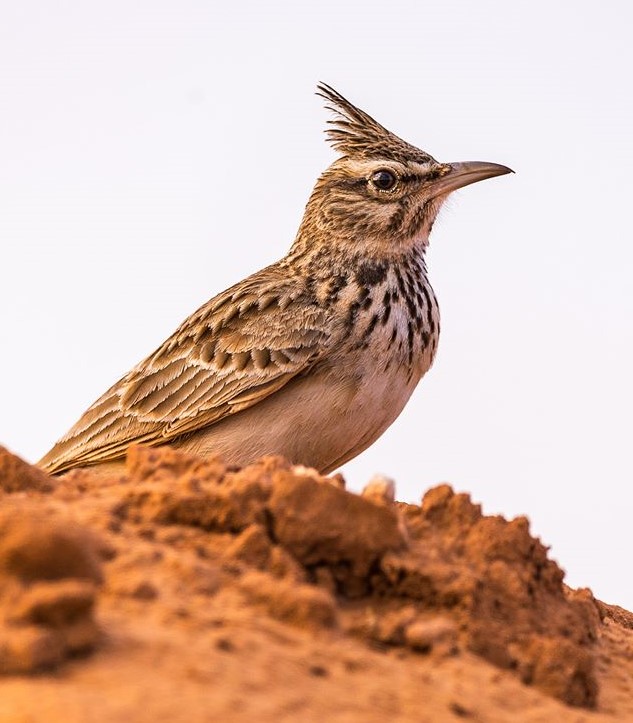
Are you an elder that can present the young with good advice because you have truly observed the world and participated in it. Are you giving sound advice to the young so that they can build up their mental library and pass on the knowledge?
As a young person do you have wise elders that you seek advice from. Do sit with them and talk about real life problems and learn from their observations of life. Wisdom is a valuable treasure that is leaving everyday. You know the proverb that states “When an elder dies a library burns” and this is so true. Many of our elders are being neglected because we don’t have the patience to sit and learn the jewels that they have shared.
Now the other thing that stood out in this story for me was that the young birds were not rebellious, because they were able to fly. Perhaps because their mother was perceived also as their teacher, and they respected the fact that she had placed them in a situation where they could be safe and survive. I believe that this is missing in our communities today, and this may be part of the reason for the disrespect. Our children on a daily basis are turned over to others outside of our community to learn, so when they come back why should they listen to those in the community? We are not adding to the knowledge that will help them survive (at least they think). The mother lark developed a total relationship with her children that included teacher.
So even though people may have missed it, the lark exhibited the highest form of self help. I think we should start doing the same.
“A lark had made her nest in the early spring on the young green wheat. The brood had almost grown to their full strength and attained the use of their wings and the full plumage of their feathers, when the owner of the field, looking over his ripe crop, said, “The time has come when I must ask all my neighbors to help me with my harvest.” One of the young Larks heard his speech and related it to his mother, inquiring of her to what place they should move for safety. “There is no occasion to move yet, my son,” she replied; “the man who only sends to his friends to help him with his harvest is not really in earnest.” The owner of the field came again a few days later and saw the wheat shedding the grain from excess of ripeness. He said, “I will come myself tomorrow with my laborers, and with as many reapers as I can hire, and will get in the harvest.” The Lark on hearing these words said to her brood, “It is time now to be off, my little ones, for the man is in earnest this time; he no longer trusts his friends, but will reap the field himself.”
The lark depended on herself, and because she did this she knew that once the man took it upon himself to cut the wheat it was time for her and her young ones to go. Please realize that you can be this lark in our community, tribe and etc..
Listen to "Folktales For Grown Folks- The Lark & Her Young Ones" on Spreaker.
Listen to "FFGF- The Lark & Her Young Ones part 2" on Spreaker.


Comments
Post a Comment